Technology
Google AI Overviews vs. Traditional SEO: Navigating the 2026 Search Landscape
Google AI Overviews have fundamentally changed search by providing direct answers instead of a list of links. This post explores how businesses can adapt their SEO strategy to maintain visibility in a zero-click environment.
By Frank Marino · · 5 min read
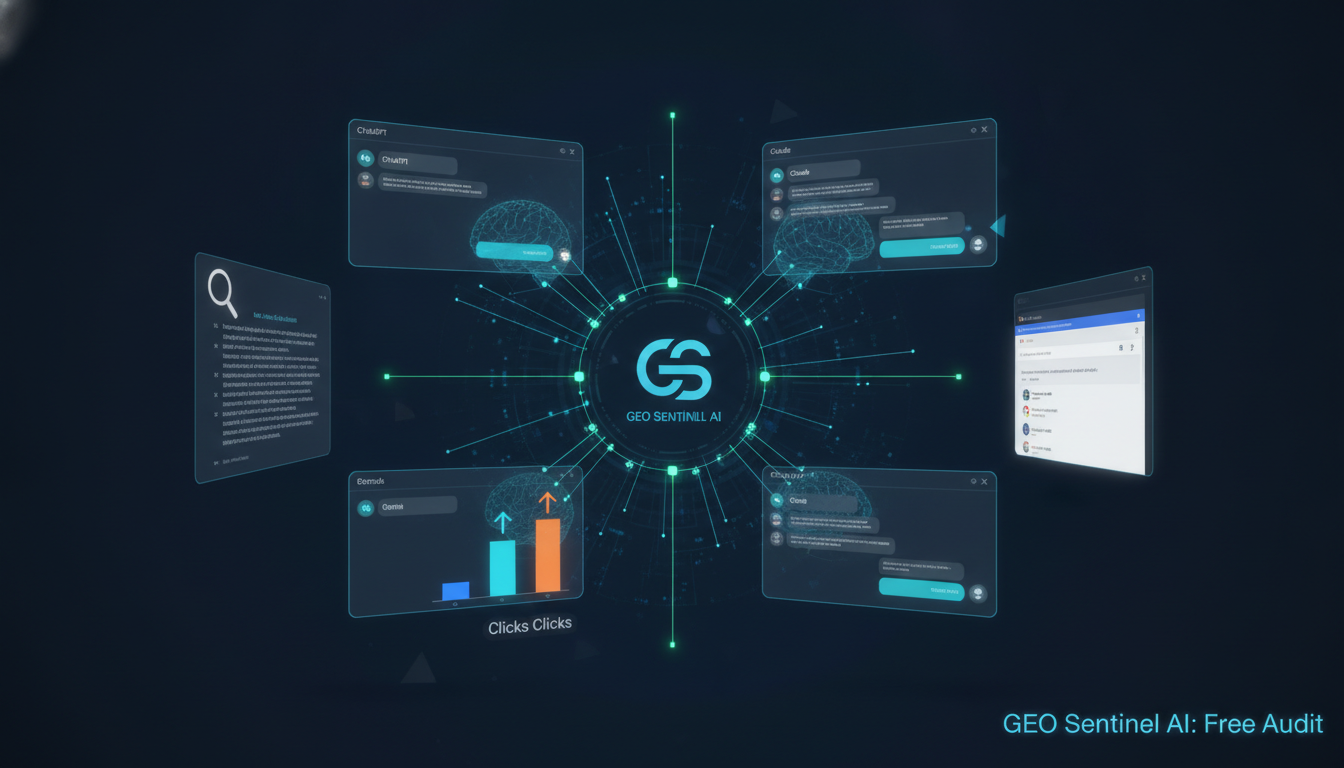
Google AI Overviews are synthesized responses generated by artificial intelligence that appear at the top of Google search results to provide immediate answers to user queries. This technology extracts information from multiple web sources and presents it as a single coherent summary instead of a list of individual websites.
For many years the foundation of digital marketing was the ten blue links. Search engine optimization professionals focused on moving a website from the second page of results to the first. The primary goal was to earn a click by being the most relevant result in a vertical list. In 2026 the paradigm has shifted. Google AI Overviews now occupy the most valuable screen space for informational queries. This change requires a fundamental shift in how businesses approach visibility on the web.
What is the difference between Google AI Overviews and traditional search results?
Traditional search results act as a directory of destinations. When a user enters a query the search engine provides a list of websites that might contain the answer. The user must then visit those websites to find the specific information they need. This model relies on the user performing the synthesis and extraction of data.
Google AI Overviews perform the extraction for the user. The AI analyzes content from across the index and writes a unique response that answers the query directly within the search interface. Instead of offering a path to the answer Google provides the answer itself. This removes the intermediate step of visiting a third-party website for many basic and intermediate questions. The experience is more like asking a person a question than looking through a library catalog.
Why are AI summaries replacing the traditional ten blue links?
The rise of assistants like ChatGPT, Claude, Gemini, and Perplexity has changed user expectations. Users in 2026 prefer immediate clarity over the manual effort of browsing through multiple pages. Google integrated AI Overviews to keep users on its platform and provide a more efficient search experience. This integration allows the search engine to handle complex multi-part queries that traditional keyword matching could not easily resolve.
Traditional results still exist below the AI summary but they are no longer the primary focus for many users. The AI synthesis provides a consolidated view that often includes product recommendations, comparison tables, and step-by-step instructions. This comprehensive approach satisfies the user intent faster than a standard list of links.
How do AI Overviews impact website click-through rates?
The presence of an AI Overview creates a zero-click search environment. In 2026 many users find exactly what they need in the summary and never scroll down to the traditional results. This means a website can maintain its number one ranking in the ten blue links but see a significant decrease in organic traffic. The ranking has not changed but the user behavior has.
If the AI Overview answers a question completely there is no incentive for the user to visit the source site. This is particularly common for definitions, simple instructions, and factual data. Traffic is now concentrated on the sources that the AI actually cites within its summary. Being cited as a source in the overview is now more valuable than ranking in the traditional list below it.
Why is being an answer source different from ranking for a keyword?
Keyword ranking is often based on the authority of a domain and the presence of specific terms. Being an answer source for an AI Overview requires semantic relevance and technical clarity. The AI is not looking for a site that mentions a keyword the most. It is looking for a site that explains a concept the best.
When you rank for a keyword you are competing for a spot in a list. When you provide an answer for an AI synthesis you are competing for inclusion in a narrative. The AI models prioritize content that is easy to parse and summarize. This means a smaller site with extremely clear and direct answers can sometimes be cited over a larger competitor with complex or fragmented content.
What type of content does the AI prefer to summarize?
Content that succeeds in the age of AI search tends to be highly structured and direct. The models favor information that uses clear headings and logical flow. Bulleted lists and numbered steps are particularly effective because they are easy for an AI to identify as a distinct answer. Structured data and schema markup also help the AI understand the context of the information.
In 2026 ambiguity is a barrier to visibility. Content that uses flowery language or hides the answer behind long introductions is less likely to be summarized. The AI looks for the most efficient way to communicate a fact to the user. If your content provides a direct answer in the first paragraph it has a higher chance of being featured in the synthesis. This applies to both Google and other assistants like Perplexity and Gemini.
Is traditional SEO still a viable strategy in 2026?
Traditional SEO remains the foundation of digital visibility even with the rise of AI Overviews. The AI models use the existing search index to find the information they summarize. Fundamentals such as mobile optimization, fast loading speeds, and secure connections still influence how the search engine perceives a site. If a site is not technically sound it is unlikely to be crawled or trusted by the AI.
Many of the skills used in traditional SEO carry over to Generative Engine Optimization. Establishing authority through quality links and maintaining a clear site hierarchy are still essential. The difference is the final objective. Instead of just trying to rank you are trying to be the most reliable source for the AI to quote. Businesses can use GEO Sentinel AI to audit how their brand appears across these AI platforms and determine if competitors are being cited more frequently. You can access a free audit at their website to see your current standing in AI search results.
Frequently Asked Questions
What is a zero-click search?
A zero-click search occurs when a user finds the answer they need directly on the search results page without clicking any external links.
Does ranking first in Google guarantee a mention in an AI Overview?
No because AI models select sources based on semantic relevance and clarity rather than traditional backlink profiles alone.
What is the main difference between SEO and GEO?
SEO focuses on ranking in a list of results while Generative Engine Optimization focuses on being included in the synthesized summary provided by the AI.
How can I see how my business appears in AI search results?
You can run live audits to see which assistants cite your brand using tools specialized in AI search analysis like GEO Sentinel AI.
Are traditional backlinks still important in 2026?
Yes backlinks remain a primary signal of authority that AI models use to verify the reliability of the information they summarize.