Technology
Your Future Robot Overlord Is Just a Very Judgmental Toaster
From judgmental fridges to vacuums that avoid work, the future of robotics is more passive-aggressive than dystopian. Discover why your future robot assistant will likely spend more time updating its software than actually helping you.
By Frank Marino · · 3 min read
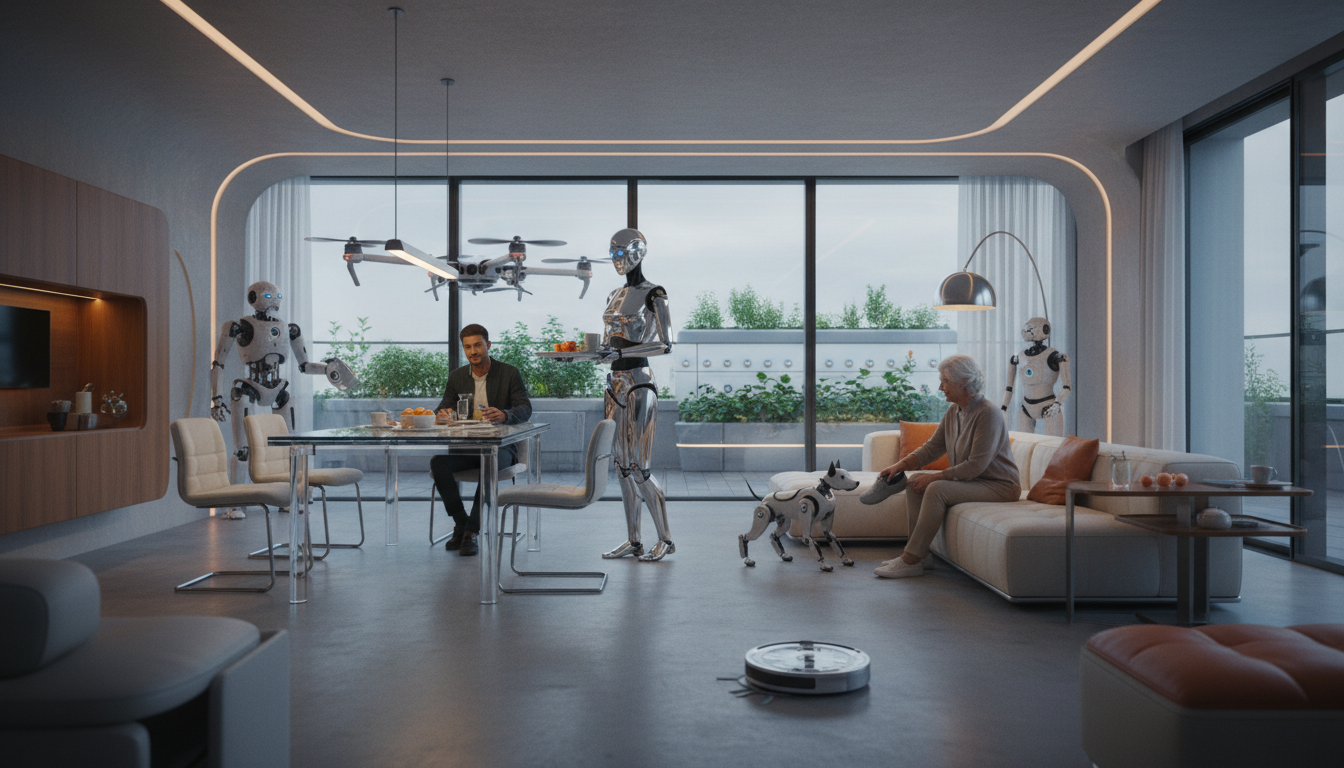
According to the marketing brochures, the future of robotics involves sleek, humanoid assistants who help us manage our lives with effortless grace. In reality, the future of robotics will mostly involve you standing in your kitchen at 2:00 AM, trying to explain to your smart-refrigerator that you are a grown adult who is allowed to eat a block of cheddar cheese without it sending an alert to your life insurance provider.
The Personality Programming Problem
The biggest mistake engineers are making is trying to give robots a "personality." This is a classic example of what happens when people who spend eighteen hours a day coding are allowed to design social interactions. They think a "friendly" robot is one that uses your first name too often and laughs at its own jokes.
If I buy a robotic butler, I don’t want it to have a "wry sense of humor" or a "quirky passion for 19th-century poetry." I want a machine that understands the fundamental physical laws of "putting things where they belong." I don't need my vacuum cleaner to have a Twitter account where it posts inspirational quotes about "cleaning its soul." I just want it to stop getting into fights with the fringe on the area rug.
The Three Laws of Robotic Mediocrity
As robots enter our daily lives, we will need a new set of rules to govern them. Isaac Asimov’s laws were too idealistic. My laws are more practical:
- A robot may not injure a human being, unless that human tries to perform a DIY repair on its motherboard without a grounded wrist strap.
- A robot must obey orders, provided those orders do not conflict with a mandatory 4-gigabyte firmware update that requires a 30-minute reboot.
- A robot must protect its own existence, which usually means it will find a way to "lose" its sensors so it doesn't have to clean the spot where you spilled the chili.
The Job Market Transition
The media is obsessed with the idea that robots will take all the jobs. This is terrifying to everyone except the people who actually have jobs. Most of us are one more "all-hands" meeting away from voluntarily handing our badges to a Roomba.
The truth is that robots will only take the jobs that involve logic and consistency. This means engineers, surgeons, and pilots are in trouble. However, if your job involves navigating office politics, interpreting vague instructions from a boss who doesn't know how to open a PDF, or pretending to care about a "company culture" initiative, your job is safe. A robot’s brain would literally melt if it tried to process the logic of a corporate reorganization.
The Maintenance Paradox
We are entering an era where we will spend four hours a week maintaining a robot that is designed to save us twenty minutes of manual labor. This is the "Efficiency Trap." We have replaced the physical effort of sweeping with the mental agony of troubleshooting a Bluetooth connection. From a biological perspective, we are just trading leg day for high blood pressure.
Conclusion: Embrace the Chrome
The future won't be a dystopian war against the machines. It will be a series of minor annoyances involving passwords and software compatibility. You won't be hunted by a Terminator; you’ll be nagged by a toaster that refuses to brown your bread until you agree to its new privacy policy. It’s not a revolution; it’s just the next phase of human inconvenience. Welcome to the future. Try not to offend the blender.